Brunette or blonde, perm or straight, full bangs or curtain bangs… or just a blow-dry?
I’m sure you’ve tried at least one of these.
Remember Sherry Stalls, the “All Hair” popular girl from “The Flipped”? How about “The Hair” Harrington from Stranger Things? You know the one thing they have in common? Their voluminous, perfectly styled hair.
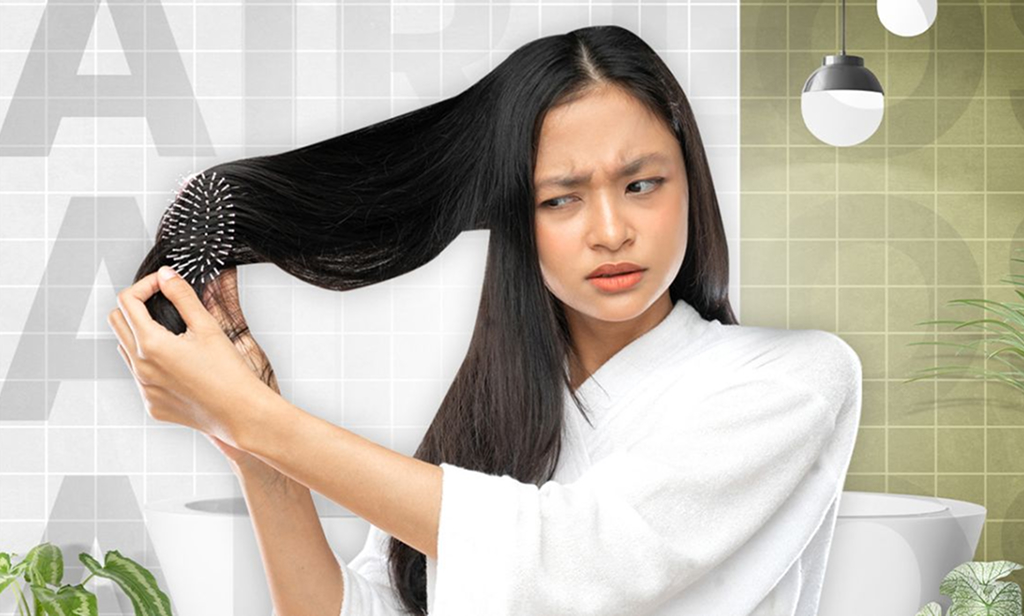
Regardless of gender, a lot of us would be guilty of spending hours trying to perfect our so-called crowning glory. Because who wants a bad hair day, right? But just like any other crown, it doesn’t come without its challenges. It’s something most women quietly deal with but rarely talk about. We usually keep these topics under wraps— “Shhh.” But this Women’s Month, ShhhE Speaks, and we’ve listed the top crowning glory concerns you might want to know:
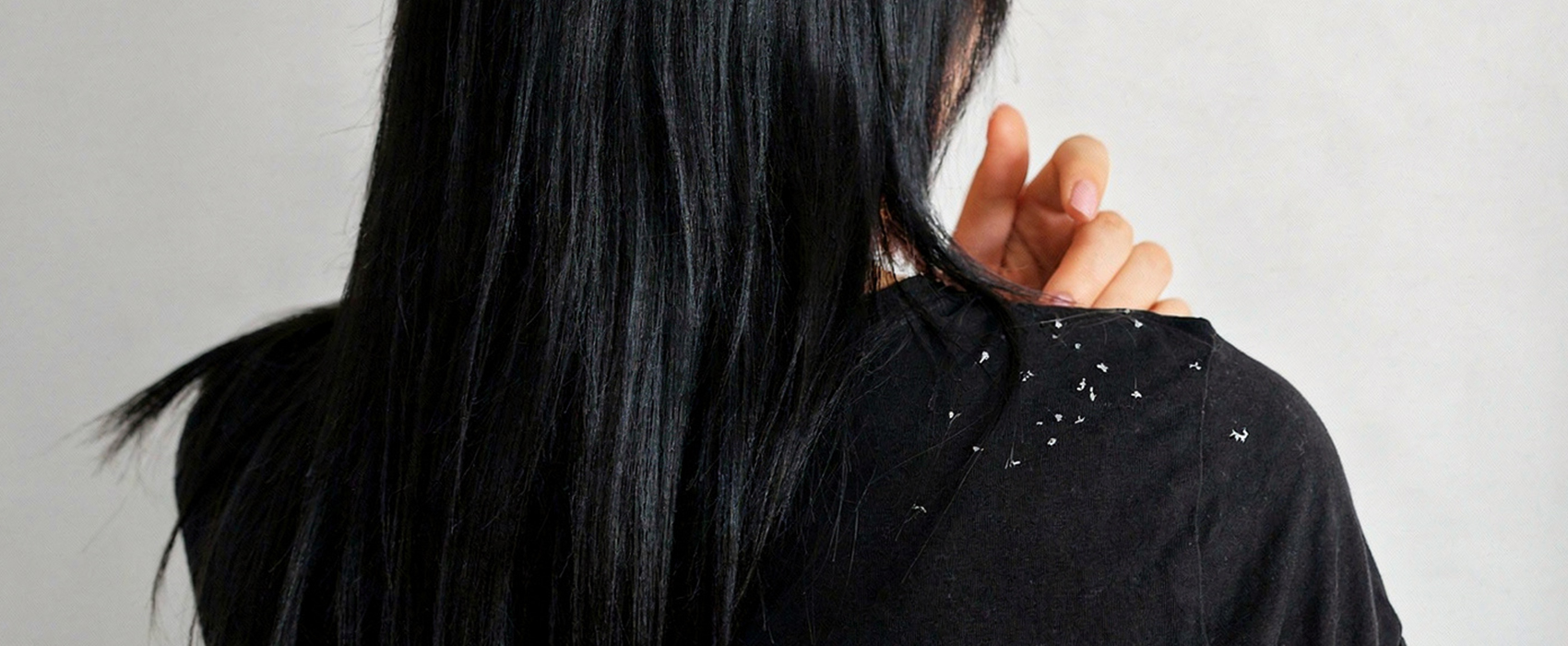
The Snowflake Princess
Itchy… with a chance of snow. Flakes, that is. Dandruff is a common scalp condition among adults. While the causes aren’t always obvious, one major culprit is the overgrowth of a fungus called Malassezia, which can trigger excess oil production and flaking. Stress and cold, dry weather can make it worse.
Although there’s no permanent cure, dandruff can be managed. Medicated shampoos help control flakes and soothe irritation. And before you keep your distance from Snowflake Princesses, here’s a myth worth busting: dandruff isn’t contagious.
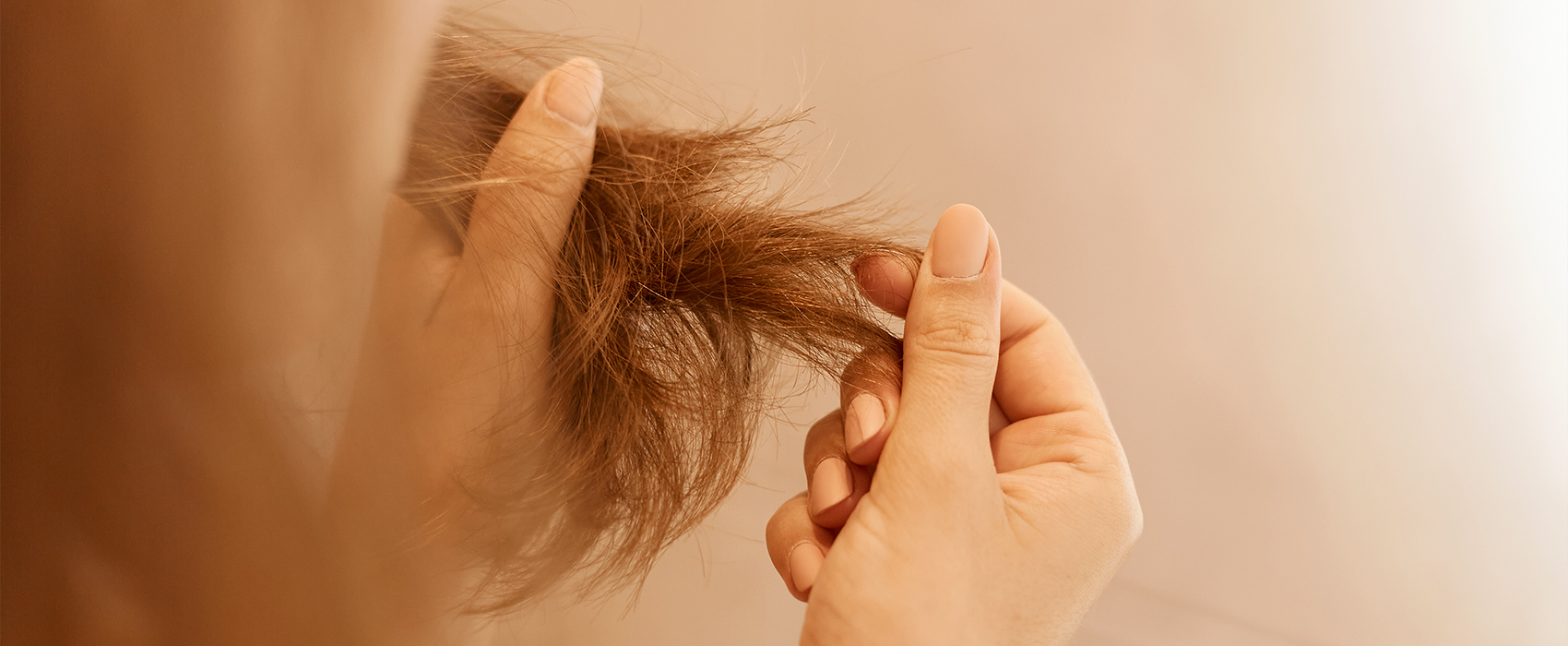
Don’t Go Breaking Her Hair
It keeps breaking apart and it breaks her heart too as she sees strands snap in two. Hair breakage is more than just a styling issue; it’s often a sign of sick or poor hair health. Styling damage, underlying health concerns such as iron deficiency and dehydration affect the hair cuticle, leading to a loss of moisture and elasticity, which results in breakage.
To help prevent breakage, it’s important to keep your hair hydrated. This means minimizing excessive sun exposure, avoiding harsh chemical treatments, and limiting frequent heat styling to maintain moisture and strength.
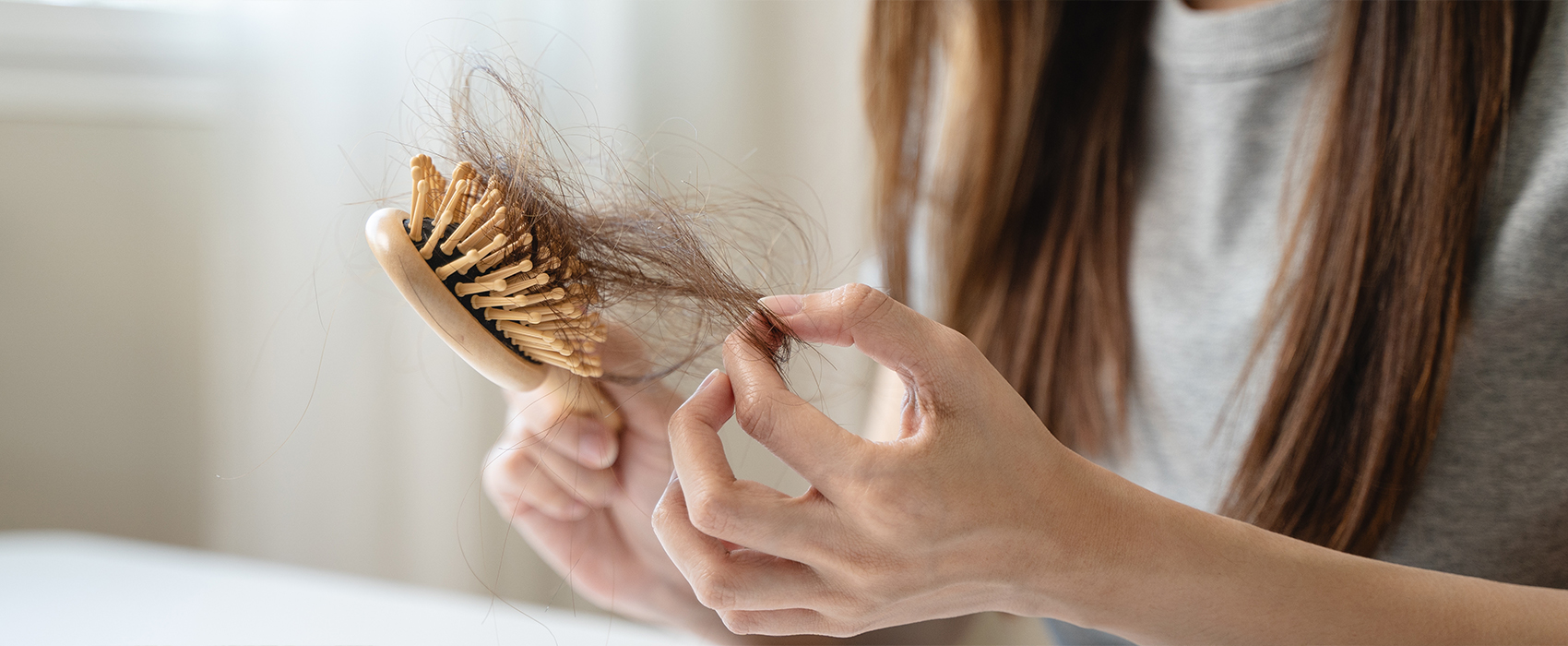
The Girl Who Started Noticing
“How many strands this time?” When you notice hair stuck in your brush or clogging the shower drain, the fear begins to creep in. “Am I going bald?”
Hair fall or worse, hair loss is one of the most frustrating things a woman can experience. It can be caused by heredity, hormonal changes, medical conditions, or simply aging. Stress, diet, lifestyle changes, and certain health conditions can also affect hair growth and increase shedding.
It’s also worth noting that these hair problems are sometimes not the root issue, but rather a warning sign of something more.
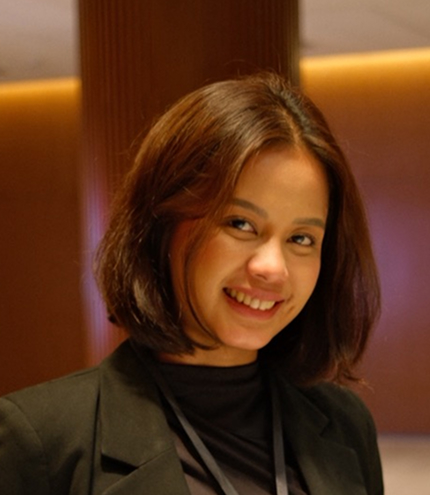
According to Dr. Margaret Joyce Cristi-Limson, Head of the Department of OB-GYN and Women’s Health Center, hair concerns such as thinning may also be linked to PCOS (Polycystic Ovary Syndrome). Women with PCOS may have higher-than-normal levels of androgens, commonly referred to as male hormones. These hormonal imbalances can disrupt the natural hair growth cycle, leading to thinning hair on the scalp.
Other signs of PCOS may include:
• Irregular or unpredictable menstrual periods
• Excess facial or body hair (hirsutism)
• Oily skin or acne
If left unmanaged, PCOS can also affect fertility and increase the risk of pregnancy complications.
This Women’s Month start taking charge of your health. Schedule a hair talk with your dermatologist or a HER-to-HER talk with your obstetrician-gynecologist to find the best treatment or management plan for you.
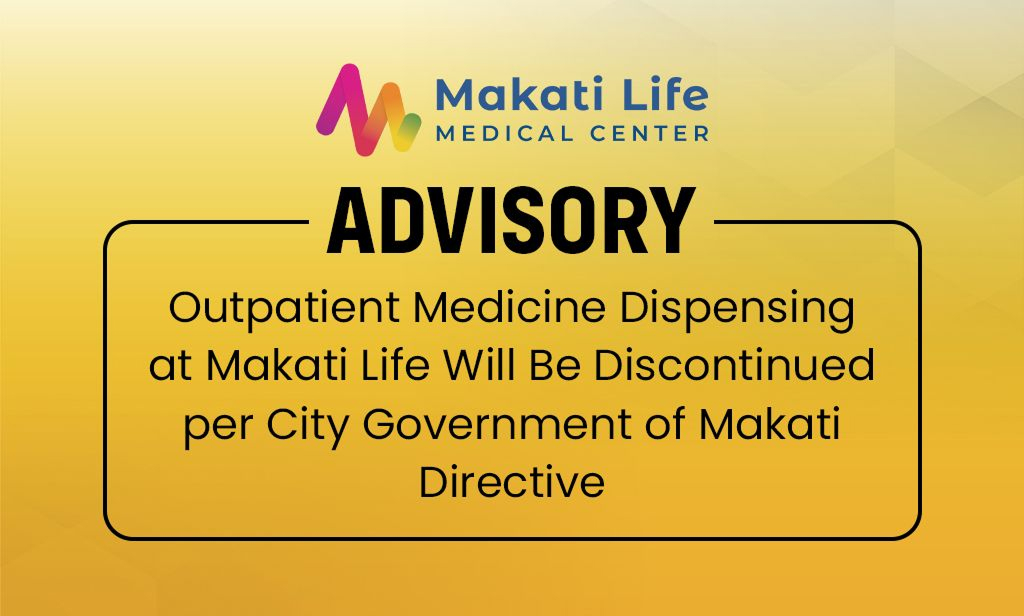
Ipinatupad ng Makati Life Medical Center ang bagong alituntunin sa outpatient medicines sa ilalim ng Makati Health Plus o Yellow Card Program, alinsunod sa direktiba ng City Government of Makati.
Makati Life Medical Center
May 17, 2026
•
Makati Life Medical Center redefines healthcare with cutting-edge technologies, modern facilities, and personalized medical services delivered with a compassionate, human-centered approach. From preventative care and therapeutic treatments to rehabilitative programs, we provide exceptional care at every step of your health journey. Discover better life with us. Contact Information: (02) 8888-2020 patientexperience@makatilife.com Metropolitan Avenue and Malugay Street,Brgy. Bel-Air, 1209, Makati City, Philippines


%402x%20(1).svg)



%402x.svg)